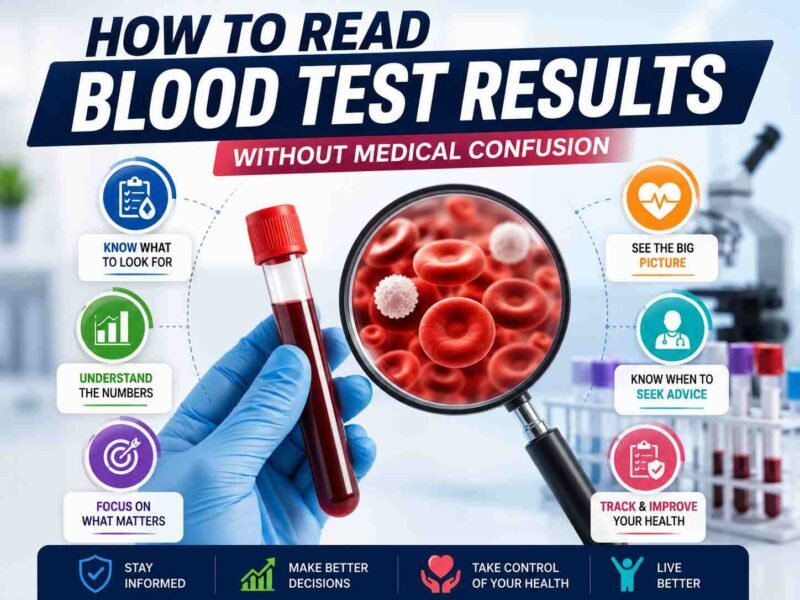
How to Read Blood Test Results Without Medical Confusion
Reading your blood test results can sometimes feel like decoding a secret language written by very serious scientists. Numbers, abbreviations, ranges, and medical terms often leave people searching the internet at 2 AM wondering if slightly high means danger or simply too many samosas last weekend.
The truth is simple: blood reports provide valuable insights about your overall health. Once you understand the basics, those confusing numbers become much easier to interpret.
Whether you recently booked routine health screening or searched for reliable blood tests in Rohini, this guide will help you understand common blood parameters without unnecessary confusion or panic.
And no, Google symptoms at midnight is still not a medical degree.
Why Blood Test Results Matter
Blood tests help doctors identify health issues early, monitor organ function, and evaluate nutritional deficiencies or infections.
Modern Diagnostic Medicine relies heavily on laboratory testing because many conditions show early warning signs in the blood before symptoms appear.
Routine blood analysis can help detect:
- Diabetes
- Anemia
- Infections
- Liver problems
- Kidney disease
- Cholesterol imbalance
- Vitamin deficiencies
According to the World Health Organization, regular health screening improves early diagnosis and preventive healthcare outcomes.
Also Read : Affordable USG Abdomen Test Price with Full Body Insights
Understanding the Most Common Blood Tests
1. Complete Blood Count (CBC Test)
The Complete Blood Count or CBC Test is one of the most common blood investigations.
Doctors use it to evaluate:
- Red Blood Cells
- White Blood Cells
- Platelet Count
- Hemoglobin Levels
Think of it as a general health performance report for your body.
2. Red Blood Cells (RBC)
Hemoglobin and Red Blood Cells carry oxygen throughout the body.
Low RBC levels may indicate:
- Anemia
- Nutritional deficiency
- Blood loss
High levels sometimes result from dehydration or smoking.
If your body feels constantly tired despite sleeping properly, low hemoglobin levels may deserve attention.
3. White Blood Cells (WBC)
White Blood Cells protect your body against infections.
Higher WBC counts may indicate:
- Infection
- Inflammation
- Stress response
Lower counts may result from viral illnesses or immune system issues.
This is why doctors often check WBC counts during fever or infections.
4. Platelet Count
Platelets help blood clot properly after injuries.
Very low platelet counts may increase bleeding risk.
Doctors carefully monitor platelet levels during viral infections like dengue.
Blood Sugar Test: Understanding Glucose Levels
The Blood Sugar Test measures glucose levels in your bloodstream.
Blood Glucose serves as your body’s primary energy source.
However, consistently high glucose levels may indicate diabetes.
Common glucose tests include:
- Fasting blood sugar
- Post-meal sugar test
- HbA1c test
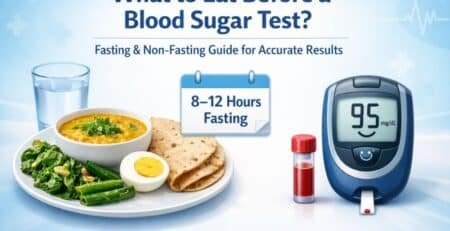
Why Fasting Matters Before Blood Work
Many people ask whether fasting before blood work is necessary.
The answer depends on the test type.
Doctors usually recommend fasting for blood work before:
- Blood Sugar Test
- Cholesterol Test
- Lipid profile
Eating before these tests may temporarily alter results.
Water is generally allowed, but avoid sugary drinks or snacks unless your doctor says otherwise.
Cholesterol Test: What Those Numbers Mean
The Cholesterol Test measures fat levels in the blood.
Cholesterol is necessary for hormone production and cell function, but excessive levels may increase heart disease risk.
Key cholesterol markers include:
- LDL (bad cholesterol)
- HDL (good cholesterol)
- Triglycerides
High LDL levels can contribute to artery blockage over time.
On the bright side, your cholesterol report does not judge your weekend pizza choices personally. It only reports the evidence.
Liver Function Test (LFT)
The Liver Function Test checks enzymes and proteins linked to liver health.
Doctors use it to evaluate:
- Fatty liver
- Hepatitis
- Alcohol-related liver damage
- Medication side effects
Abnormal liver enzymes do not always indicate severe disease, but they require proper medical interpretation.
Kidney Function Test (KFT)
The Kidney Function Test measures waste products and kidney performance.
Common markers include:
- Creatinine
- Urea
- Electrolyte balance
Kidneys filter waste from the bloodstream, so abnormal values may suggest reduced kidney function.
Hydration levels can also influence results slightly.
Can Exercise Affect Blood Test Results?
Yes, exercise before blood test appointments can temporarily impact some values.
Intense workouts may affect:
- Blood sugar
- Muscle enzymes
- Hydration
- Inflammation markers
Doctors usually recommend avoiding heavy exercise before routine blood work unless instructed otherwise.
Your gym session can wait one day. Your blood report prefers honesty.
How to Read Normal Reference Ranges
Every blood report includes reference ranges beside the results.
These ranges represent typical values for healthy individuals.
However:
- Slightly abnormal results do not always mean disease
- Age, gender, medications, and health conditions matter
- Doctors interpret results along with symptoms
This is why self-diagnosis from internet searches often creates unnecessary anxiety.
When Should You Worry About Blood Test Results?
You should consult a doctor if:
- Multiple values remain abnormal
- Symptoms accompany abnormal reports
- Blood sugar stays consistently high
- Hemoglobin levels drop significantly
- Platelet counts decrease sharply
Always review reports with qualified healthcare professionals trained in Pathology and Hematology.
Choosing a Reliable Diagnostic Lab Matters
Accurate testing depends heavily on laboratory quality.
Many patients searching for trusted blood tests in Rohini prefer certified labs with experienced diagnostic teams and modern testing equipment.
You can also locate OnePLUS Ultrasound Lab through its Google Business Profile location for pathology and diagnostic services.
A reliable pathology lab in Rohini ensures:
- Accurate sample handling
- Proper reporting standards
- Timely results
- Professional interpretation support
Because even the best doctor needs accurate data to make the right decision.
Final Thoughts
The basic understanding of blood test results remains accessible to anyone without a medical degree. Basic marker knowledge together with their testing purposes allows you to track your health status without facing confusion. The process of routine blood testing enables healthcare professionals to discover diseases in their early stages while they assess treatment methods and execute preventive measures. Your health condition gets expressed through your complete health profile which includes CBC Test results and Blood Sugar Test measurements.
Numbers by themselves do not convey complete information. Physicians use reports to assess combined with observing patient symptoms and studying their medical background and conducting physical tests. The selection of a dependable pathology laboratory located in Rohini will assist you in obtaining accurate results through expert guidance and trustworthy diagnostic services. You can also contact us at OnePLUS Ultrasound Lab for professional diagnostic services and accurate health testing.