What Is a Routine Blood Test and Why Is It Important for Preventive Healthcare?
OnePLUS Ultrasound Lab2026-06-12T04:52:26+00:00Maintaining good health requires more than treating illnesses when they occur. Preventive healthcare focuses on identifying potential health concerns before they become serious, allowing individuals to take timely action and improve long-term wellness. One of the most effective tools used in preventive medicine is Routine Blood Tests. These tests provide valuable information about your overall health and help healthcare professionals detect potential issues at an early stage.
Through undergoing Routine Blood Tests regularly, people can track important health indicators, recognize diseases that are underlying and make educated decisions about their daily routine and medical treatment. If you’re feeling healthy or are experiencing health issues, routine blood tests play a crucial role in maintaining your overall health.
What are Routine Blood Tests?
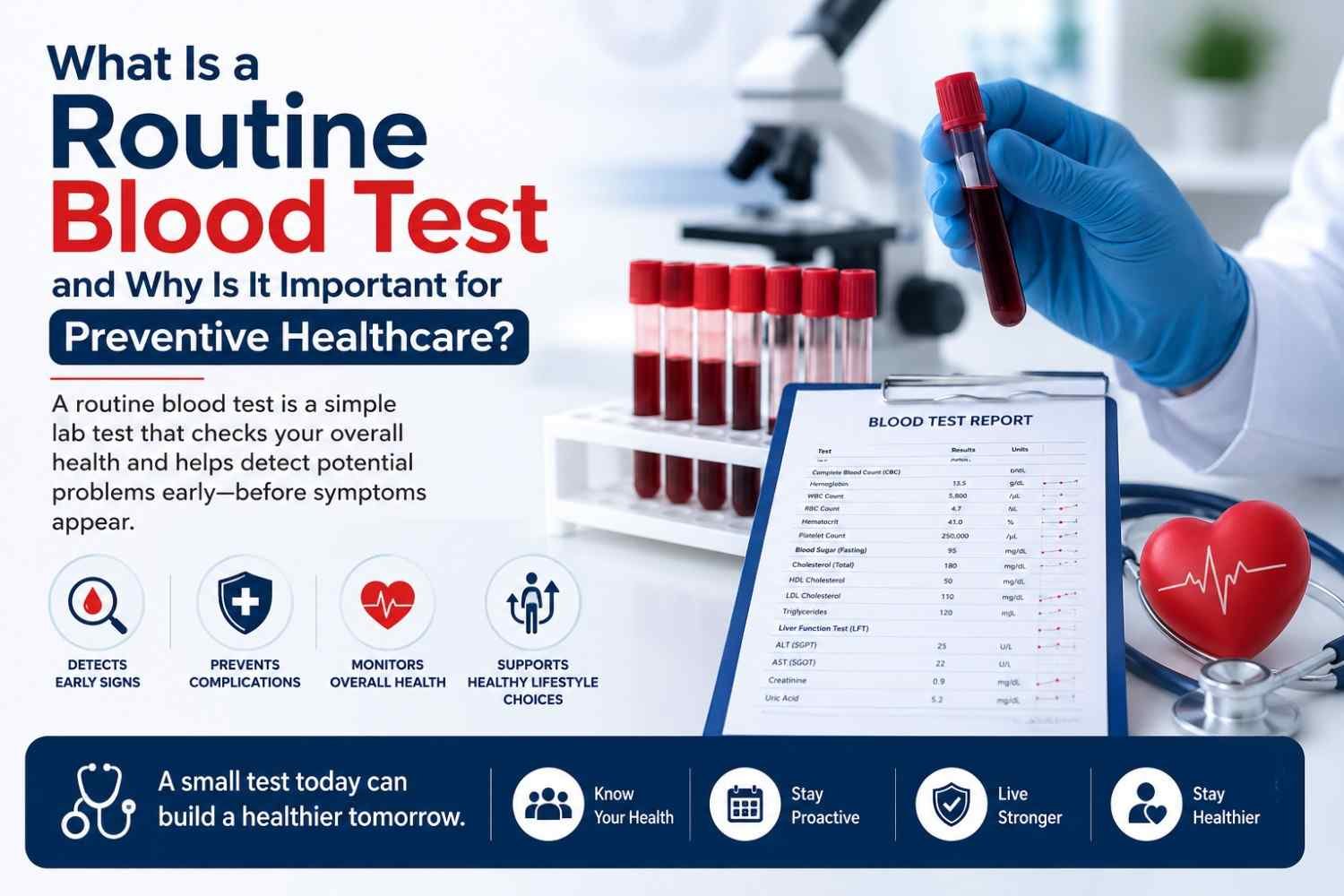
Routine Blood Tests are laboratory examinations that use a blood sample to look at a range of parts of your health, sort of like a snapshot. These tests are usually present in annual health checkups and preventive healthcare programs, because they can deliver clear insights about how different body systems are behaving in real life, day to day.
A Health Checkup Blood Test can sort of gauge blood cell counts, check blood sugar levels, see cholesterol levels, look at organ function, and hormone levels, plus other important health markers. Doctors use what they find in these reports to appraise overall well-being, spot possible medical conditions, and also monitor ongoing treatments.
Since many health conditions can appear without any clear signs, doing routine blood tests works as a sort of key screening tool, helping to spot problems earlier, before they turn into more serious things.
Common Tests Included in Routine Blood Tests
The specific tests included in Routine Blood Tests may vary depending on age, medical history, and healthcare needs. However, several tests are commonly recommended as part of a comprehensive health assessment.
Complete Blood Count Test
A Complete Blood Count Test is one of the most frequently performed blood tests. It measures various components of blood, including red blood cells, white blood cells, hemoglobin, hematocrit, and platelets.
This test can help identify:
- Anemia
- Infections
- Inflammatory conditions
- Blood disorders
- Immune system abnormalities
Because it provides a broad overview of blood health, the Complete Blood Count Test is often included in routine medical screenings.
Blood Glucose Testing
Blood glucose testing measures the amount of sugar in the bloodstream. It is commonly used to detect diabetes and prediabetes before symptoms become noticeable.
Lipid Profile
A lipid profile evaluates cholesterol and triglyceride levels. High cholesterol can increase the risk of heart disease and stroke, making this an important component of a Health Checkup Blood Test.
Liver and Kidney Function Tests
These tests assess how effectively the liver and kidneys are functioning. Abnormal results may indicate infection, disease, or damage that requires further evaluation.
Benefits of Routine Blood Tests
Early Disease Detection
One of the most important advantages of Routine Blood Tests is Early Disease Detection. Many serious health conditions, including diabetes, thyroid disorders, high cholesterol, and certain infections, may not show symptoms during their early stages.
Regular blood testing allows healthcare providers to identify abnormalities before symptoms appear. Early diagnosis often leads to more effective treatment, improved outcomes, and reduced healthcare complications.
Preventive Health Screening
A comprehensive Preventive Health Screening program tends to include blood tests because they give measurable insights about someone’s overall health state. When risk factors show up early, doctors can suggest lifestyle changes , better dietary adjustments, or medical measures that help stave off future complications. In a way it s kinda like getting ahead of the problem before it grows.
Preventive Health Screening is particularly valuable for people with a family history of chronic diseases or other risk factors that may increase their likelihood of developing certain conditions.
Monitoring Overall Health
A Blood Screening Test gives a kind of overview of your body’s overall condition, not just how you feel today. Even when you feel healthy, those less obvious health issues could still be slowly growing. With regular testing, healthcare professionals can watch the pattern over time and spot shifts that might need attention.
Because health conditions often develop gradually, periodic Blood Screening Test evaluations help ensure that potential issues are addressed before they become serious.
Managing Existing Medical Conditions
For people living with chronic conditions like diabetes, hypertension , thyroid disorders, or kidney disease, Routine Blood Tests are vital to keep an eye on how well the treatment is working, because it helps with ongoing monitoring, not just a quick look in the moment.
Regular testing lets healthcare providers figure out whether the medications are acting properly and if the treatment plans need a tweak or two. With steady observation, disease management can get better, and the chance of complications can drop.
Who Should Get Routine Blood Tests?
Although Routine Blood Tests are beneficial for people of all ages, they are especially important for:
- Adults undergoing annual health checkups
- Individuals with a family history of chronic illnesses
- People with diabetes or high blood pressure
- Pregnant women
- Senior citizens
- Individuals experiencing unexplained fatigue or weight changes
Healthcare providers may recommend different testing schedules based on an individual’s age, medical history, and overall health condition.
Choosing a Reliable Diagnostic Center
Accurate laboratory testing is essential for making informed healthcare decisions. If you are looking for reliable Blood tests in Rohini, choosing a trusted diagnostic facility can help ensure accurate results and timely reporting.
A professional Pathology Lab in Rohini uses advanced diagnostic instruments, qualified laboratory specialists, and standardized testing protocols to keep accuracy at a high level. Picking a reliable lab really matters a lot for preventive health care and long-term wellness management, because it helps with early awareness, and that’s why it improves the entire process. When you choose the right facility, everything feels more precise, even the small details.
Conclusion
Routine Blood Tests are a useful part of modern healthcare, and they play a critical role in disease prevention and general health monitoring. They help with early disease detection, but also with preventive health screening, so you get key details that assist people in staying informed about their own health.
Regular blood tests can help spot issues you don’t notice right away, keep an eye on ongoing chronic conditions, and enable better medical decisions. If you are planning a Health Checkup Blood Test or maybe a broad Blood Screening Test, putting Routine Blood Tests into your healthcare routine is a straightforward but powerful step toward long-term health and a healthier future too.