
High cholesterol and triglyceride levels often develop without noticeable symptoms. Over time, abnormal blood lipid levels can increase the risk of heart disease and stroke. A blood test called a lipid profile measures cholesterol and triglycerides and helps your clinician assess cardiovascular risk. [1, 2]
What is dyslipidemia?
Dyslipidemia (also spelled dyslipidaemia) means an unhealthy balance of fats, or lipids, in the blood. It can involve high low-density lipoprotein (LDL) cholesterol, high triglycerides, low high-density lipoprotein (HDL) cholesterol, or a combination of these findings. [1, 3]
LDL, HDL and triglycerides: what is the difference?
| Lipid measure | What it tells you |
|---|---|
| Total cholesterol | The total amount of cholesterol in your blood, including LDL and HDL. |
| LDL cholesterol | Often called “bad cholesterol.” Higher levels contribute to plaque buildup in arteries. |
| HDL cholesterol | Often called “good cholesterol.” HDL helps carry cholesterol back to the liver. A low level can signal increased cardiovascular risk. |
| Triglycerides (TG) | A type of fat the body uses for energy. High levels can increase cardiovascular risk and very high levels can raise the risk of pancreatitis. |
| Non-HDL cholesterol | Total cholesterol minus HDL cholesterol. It includes cholesterol in LDL and other particles that can contribute to plaque buildup. |
| Very-low-density lipoprotein (VLDL) cholesterol | The cholesterol carried by VLDL particles, which mainly transport triglycerides. These particles can contribute to plaque buildup. |
Your clinician interprets these measurements together with your medical history and other cardiovascular risk factors. [1, 2, 3, 4, 11]
Why can dyslipidemia be harmful?
Plaque buildup can narrow arteries and increase the risk of heart attack, stroke and peripheral arterial disease. High triglycerides are also associated with insulin resistance, type 2 diabetes, metabolic syndrome and fatty liver disease. [1, 4, 11]
What causes dyslipidemia, and are there symptoms?
Too much saturated fat, trans fat, refined carbohydrates or excess calories can contribute to unhealthy lipid levels. Limited physical activity and excess body weight can also play a role. Alcohol can raise triglycerides, and tobacco use raises cardiovascular risk. [1, 5, 11]
Genetics can affect cholesterol even when you follow a healthy lifestyle. Familial hypercholesterolaemia is an inherited condition that can cause very high LDL cholesterol from an early age. Diabetes, an underactive thyroid, kidney disease, some liver disorders and certain medicines can also affect lipid levels. [1, 11, 13]
Does dyslipidemia have symptoms?
Most people with dyslipidemia feel well. In some people with inherited high cholesterol, signs can include yellowish deposits around the eyelids (xanthelasma), deposits in the tendons of the ankles or hands, or a pale ring around the edge of the cornea (corneal arcus). A blood test is the usual way to detect abnormal lipid levels. [1, 2, 13]
Who should discuss cholesterol testing?
Ask your clinician when to have a lipid profile, especially if any of the following apply to you. [1, 5, 11]
- You have diabetes, high blood pressure, heart or blood vessel disease, or kidney disease.
- You have excess body weight, get limited physical activity, or use tobacco or alcohol.
- You have a family history of high cholesterol, early heart attack or stroke.
- You have a history of high triglycerides or other abnormal lipid results, or you take cholesterol-lowering medicine.
- You may have inherited high cholesterol, even at a younger age.
How to read a lipid profile report
These are common adult reference points. Your clinician sets individual goals based on factors such as age, existing cardiovascular disease, diabetes, blood pressure and smoking history. [1, 3, 4, 9, 11, 17]
| Measurement | Common adult reference points |
|---|---|
| Total cholesterol | Below 200 mg/dL is generally desirable. 200–239 mg/dL is borderline high and 240 mg/dL or higher is high. |
| LDL cholesterol | Below 100 mg/dL is generally favourable for many adults. A result of 190 mg/dL or higher needs medical assessment. People at higher cardiovascular risk may have a lower treatment target. |
| HDL cholesterol | Below 40 mg/dL is low in men. Below 50 mg/dL is low in women. Your clinician interprets HDL alongside LDL and overall cardiovascular risk. |
| Triglycerides (fasting) | Below 150 mg/dL is generally within range. 150–199 mg/dL is borderline high, 200–499 mg/dL is high, and 500 mg/dL or higher is very high. |
| Non-HDL cholesterol | Below 130 mg/dL is a common reference point. Your target may be lower if you have a higher cardiovascular risk. |
A lipid profile helps assess cardiovascular risk. It cannot show whether an artery is blocked, and a total cholesterol reading within the reference range can occur alongside other risk factors. For help with other parts of your report, see how to read blood test results. [2, 9, 11]
Do you need to fast for a lipid profile test?
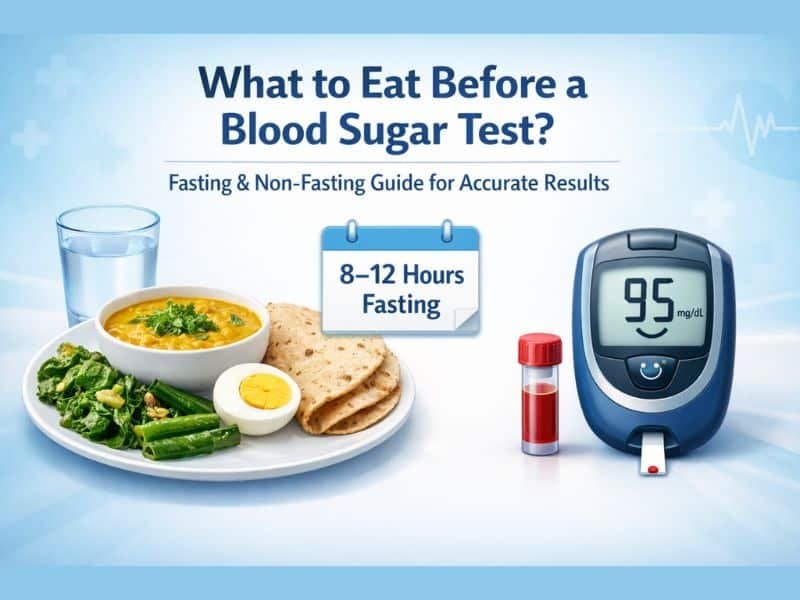
Many routine lipid profiles can be collected without fasting. Your clinician may request a fasting sample if triglycerides were substantially raised on a previous test, if an inherited lipid disorder is suspected, or if the requested panel requires it. [1, 2, 11]
OnePLUS lists no special preparation for the standard Lipid Profile and 10–12 hours of fasting for the Extended Lipid Profile. Confirm the instructions for your test when booking. If you are asked to fast, plain water is generally allowed. Ask your clinician how to take prescribed medicines during the fast, especially if you use insulin or other diabetes medicines. [9]
When might you need additional tests?
A lipid profile is the main test. Your clinician chooses any additional tests based on your history, lipid results and overall cardiovascular risk. [1, 2, 6, 7, 10, 11]
| Test | Why a clinician may recommend it |
|---|---|
| Fasting blood sugar or HbA1c | To check for diabetes or assess blood glucose control. |
| TSH or thyroid profile | To check for an underactive thyroid if it could be contributing to abnormal cholesterol. |
| Liver function tests (LFT) | To investigate a possible liver problem or inform a treatment plan when indicated. |
| Kidney function tests (KFT), including creatinine | To assess kidney function when clinically relevant. |
| Apolipoprotein B (ApoB) | To help assess cardiovascular risk in selected patients by estimating the number of particles that can contribute to plaque buildup. |
| Lipoprotein(a), or Lp(a) | To assess risk associated with this largely inherited marker. The 2026 ACC/AHA guideline recommends measuring it at least once in adulthood. Most people only need one measurement. |
India’s ICMR workflow for type 2 diabetes includes a fasting lipid profile among the investigations used in diabetes care. [10]
How is dyslipidemia managed?
Care focuses on lowering long-term cardiovascular risk. Depending on your lipid results and overall health, your clinician may recommend the following. [1, 8, 11]
- Eat more vegetables, fruit, pulses, whole grains and other sources of fibre.
- Reduce saturated and trans fats. Limit sugary drinks and refined carbohydrates, especially when triglycerides are high.
- Get regular physical activity and work toward a sustainable weight if appropriate.
- Avoid tobacco and discuss whether to limit or avoid alcohol.
- Manage related conditions such as diabetes, thyroid disorders or high blood pressure.
- Take lipid-lowering medicine, such as a statin, if prescribed, and follow the monitoring plan agreed with your clinician.
Whether you need medicine depends on your overall cardiovascular risk. For example, established heart disease or diabetes can affect the treatment decision even when a result is only mildly abnormal. Discuss any changes to your medicine with your treating clinician. [8, 11]
When should you speak to a doctor?
Arrange a clinical review if your LDL cholesterol is markedly raised, you have repeated abnormal results, or you have a strong family history of early heart disease. A triglyceride result of 500 mg/dL or higher needs prompt medical assessment because the risk of acute pancreatitis increases at very high levels. [4, 11]
Seek emergency care for chest pain or pressure, sudden one-sided weakness or difficulty speaking, or severe upper abdominal pain, especially if it persists or comes with vomiting. These can be signs of a heart attack, stroke or pancreatitis. [14, 15, 16]
Lipid profile testing in Pitampura, New Delhi
OnePLUS Ultrasound Lab offers two lipid profiles. Your clinician can help you choose the test based on your medical history and the reason for testing.
| Test | Measurements, preparation and expected reporting |
|---|---|
| Standard Lipid Profile | Six listed measurements are total cholesterol, LDL, HDL, non-HDL, triglycerides and VLDL. No special preparation is listed. Same-day reporting is expected. |
| Extended Lipid Profile | Eleven measurements include the six standard measurements plus Lp(a), total cholesterol to HDL ratio, ApoB, apolipoprotein A1 (ApoA1) and the ApoB to ApoA1 ratio. The listing specifies 10–12 hours of fasting and next-day reporting. |
Confirm availability, preparation instructions and reporting times before sample collection. OnePLUS also offers blood glucose, HbA1c, liver, kidney and thyroid tests. Home sample collection is available for eligible tests through our blood testing service. Call to confirm availability for your test and location.
OnePLUS Ultrasound Lab, 47 Harsh Vihar, Pitampura, New Delhi 110034. Call +91 9599913051 or contact the centre.
Frequently asked questions
Is dyslipidemia the same as high cholesterol?
High cholesterol is one form of dyslipidemia. Dyslipidemia can also involve high triglycerides, low HDL cholesterol or several abnormal results together. [1]
Can I have abnormal cholesterol even if I am young or slim?
Yes. Genetics and some medical conditions can affect lipid levels at any age or body weight. Tell your clinician if a close relative had high cholesterol or developed heart disease at a young age. [1, 5, 13]
Can a lipid profile detect a blocked heart artery?
A lipid profile measures blood fats and helps your clinician assess risk. Other investigations are needed to see whether an artery is narrowed or blocked. [2, 11]
Can ultrasound help in dyslipidemia?
An abdominal ultrasound may show signs of fat in the liver, but it can miss smaller amounts of liver fat. A routine ultrasound alone cannot reliably assess the degree of liver inflammation or scarring. Your clinician can decide whether further evaluation is needed. [12]
Is the Extended Lipid Profile better for everyone?
A standard lipid profile is enough for many initial assessments. The usefulness of ApoB and Lp(a) testing depends on your history, previous results and the reason for testing. [6, 7, 11]
Do I always need to fast for LDL, HDL and triglycerides?
Many routine profiles can be collected without fasting. At OnePLUS, the standard profile lists no special preparation and the extended profile lists 10–12 hours of fasting. Confirm the instructions for your exact test before your visit. [1, 2, 11]
Can high triglycerides occur with normal total cholesterol?
Yes. Triglycerides and cholesterol are different fats. A full lipid profile can show abnormalities that a total cholesterol result alone would miss. [3, 4]
How soon should I repeat a lipid profile after an abnormal result?
The timing depends on the results, your overall health and whether treatment has started or changed. Ask your clinician when to repeat the test. [2, 5, 11]
Conclusion
A lipid profile can identify abnormal cholesterol or triglycerides before symptoms develop. Bring past results to your clinician so you can discuss what has changed and whether you need follow-up. [1, 2]
References
[1] World Health Organization. Dyslipidaemia, 15 September 2026.
[2] National Heart, Lung, and Blood Institute. Blood Cholesterol — Diagnosis.
[3] MedlinePlus. Cholesterol Levels.
[4] MedlinePlus. Triglycerides Test.
[5] Centers for Disease Control and Prevention. Testing for Cholesterol.
[6] MedlinePlus. Lipoprotein(a) Blood Test.
[7] MedlinePlus. Apolipoprotein B.
[8] National Heart, Lung, and Blood Institute. Blood Cholesterol — Treatment.
[9] MedlinePlus. Cholesterol Testing and Results.
[10] Indian Council of Medical Research. Standard Treatment Workflow: Diabetes Mellitus Type 2, July 2022.
[11] American College of Cardiology and American Heart Association. 2026 Guideline on the Management of Dyslipidemia.
[12] American Association for the Study of Liver Diseases. Practice Guidance on the Clinical Assessment and Management of Nonalcoholic Fatty Liver Disease.
[13] American Heart Association. What Is Familial Hypercholesterolemia?
[14] Centers for Disease Control and Prevention. About Heart Attack Symptoms, Risk, and Recovery.
[15] Centers for Disease Control and Prevention. Signs and Symptoms of Stroke.
[16] National Institute of Diabetes and Digestive and Kidney Diseases. Symptoms and Causes of Pancreatitis.
[17] National Heart, Lung, and Blood Institute. Your Guide to Lowering Your Cholesterol With TLC.