Diabetes screening helps identify high blood sugar before complications develop. Learn about commonly recommended blood tests, preparation requirements, and what the results may mean.
What is type 2 diabetes?
Type 2 diabetes develops when the body does not use insulin effectively or cannot make enough insulin to keep blood sugar within a healthy range. Insulin is a hormone that helps glucose from food enter the body’s cells for energy. When glucose remains elevated in the bloodstream over time, it can affect the heart, kidneys, eyes, nerves and other organs. Healthy habits and early identification of prediabetes can help prevent or delay type 2 diabetes in many people. [1, 2]
Who should consider diabetes screening?
Type 2 diabetes can develop at any age, and some people have no noticeable symptoms. India’s ICMR Standard Treatment Workflow includes adults over 30 years among groups to consider for screening. Testing may also be appropriate earlier when risk factors are present. [2]
- Being overweight or physically inactive
- A parent, sibling or other first-degree relative with diabetes
- High blood pressure, abnormal cholesterol or triglyceride levels, or cardiovascular disease
- Polycystic ovary syndrome (PCOS) or a previous history of gestational diabetes
- Previously identified prediabetes
Increased thirst, frequent urination, unexplained weight loss, tiredness or blurred vision should prompt medical assessment rather than waiting for a routine check-up. Diabetes symptoms can develop gradually, and some individuals remain symptom-free for years. [2, 3]
HbA1c vs FBS vs PPBS vs RBS vs OGTT: what is the difference?
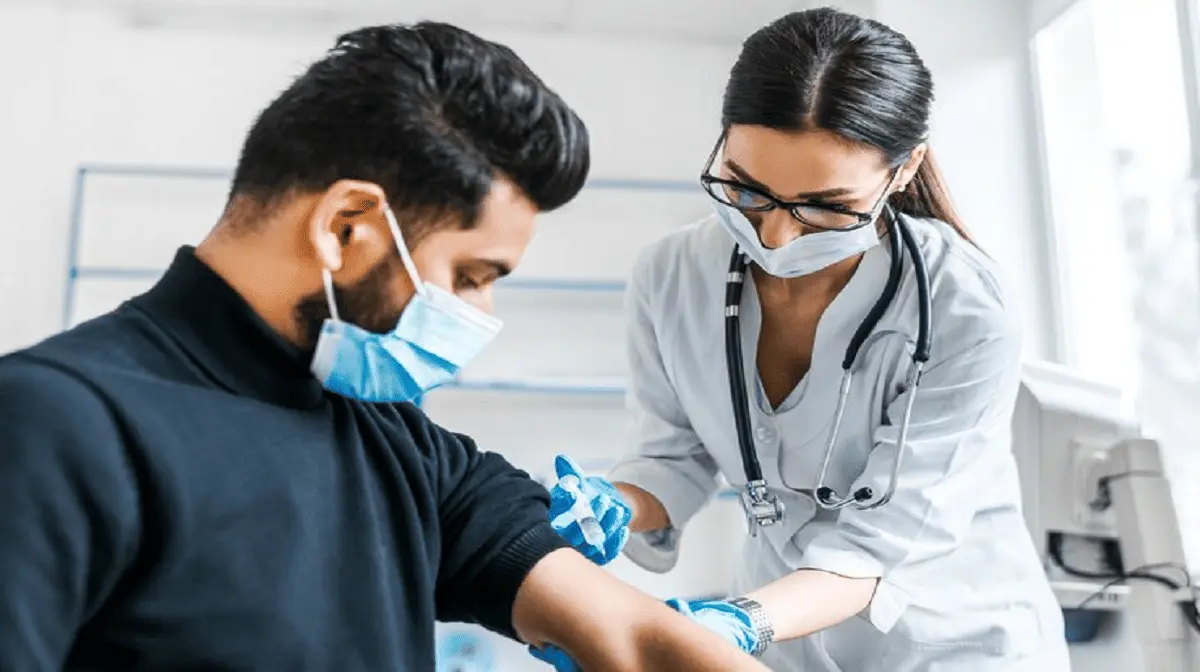
1. HbA1c (glycated haemoglobin)
What it measures: Estimates average blood glucose over approximately the previous 2–3 months. It is commonly used for diabetes screening, diagnosis and longer-term monitoring when appropriate.
Preparation: Fasting is not required if HbA1c is the only test ordered. Can be taken at any time of day. [1, 4]
2. FBS / FPG (fasting blood sugar / fasting plasma glucose)
What it measures: Blood glucose after an overnight fast.
Preparation: Diagnostic fasting plasma glucose requires at least 8 hours without calories; plain water is permitted. [1]
3. PPBS (postprandial blood sugar)
What it measures: Blood glucose after a meal, often used to assess glucose control.
Preparation: Follow the doctor’s requested timing and record when the meal began. The usual timing may be around 1 hour 30 minutes to 2 hours after breakfast; confirm the exact timing with the laboratory. PPBS after an ordinary meal is not the same as a 75 g OGTT and must not be interpreted using OGTT diagnostic thresholds. [3]
4. RBS (random blood sugar)
What it measures: Blood glucose at any time, regardless of the last meal.
Preparation: No fasting is needed. A random plasma glucose of at least 200 mg/dL together with classic symptoms of hyperglycaemia or a hyperglycaemic crisis can establish diabetes; without those circumstances, appropriate confirmatory laboratory testing is generally needed. [1]
5. OGTT (oral glucose tolerance test)
What it measures: How the body responds to a measured glucose drink. In a standard 75 g OGTT for non-pregnant adults, a fasting blood sample is taken, the person drinks a solution containing 75 g anhydrous glucose, and blood glucose is measured 2 hours later.
Preparation: Fast for at least 8 hours and follow all instructions from the clinician and testing centre. OGTT can identify impaired glucose tolerance that may not be apparent from fasting glucose alone. [1, 3]
OGTT is also used in gestational diabetes assessment, but pregnancy follows specific screening procedures and interpretation thresholds. Pregnant patients should follow their obstetrician’s protocol. [1, 2]
What do diabetes screening results mean?
The following commonly used diagnostic ranges apply to non-pregnant adults. They are not treatment targets for people already living with diabetes. [1]
| Diagnostic marker | Normal | Prediabetes | Diabetes |
|---|---|---|---|
| HbA1c (glycated haemoglobin) | < 5.7% | 5.7%–6.4% | ≥ 6.5% |
| Fasting blood glucose (FPG) | < 100 mg/dL (< 5.6 mmol/L) | 100–125 mg/dL (5.6–6.9 mmol/L) | ≥ 126 mg/dL (≥ 7.0 mmol/L) |
| OGTT (2-hour post-75 g load) | < 140 mg/dL (< 7.8 mmol/L) | 140–199 mg/dL (7.8–11.0 mmol/L) | ≥ 200 mg/dL (≥ 11.1 mmol/L) |
Important: In the absence of unequivocal hyperglycaemia, diabetes diagnosis generally requires two abnormal laboratory results (from the same test on different occasions or appropriate different tests). A clinician should interpret results alongside symptoms, medical history and other findings. Home glucose meters are not used to establish the diagnosis. [1, 3]
What if your HbA1c is in the prediabetes range?
Prediabetes means blood sugar is higher than normal but does not meet the diagnostic threshold for diabetes. It is a useful opportunity to discuss prevention with your clinician. Depending on individual needs, advice may include regular physical activity, sustainable dietary changes, appropriate weight management and repeat testing. Medicines are not necessary for every person with prediabetes. [1, 2]
Why do HbA1c and fasting glucose sometimes disagree?
HbA1c reflects an average over several months, whereas fasting glucose measures blood sugar at one point in time. Values may also disagree because of illness, variation in glucose patterns or conditions that affect HbA1c accuracy. Bring both reports to your clinician rather than relying on whichever result seems more favourable. [1, 4]
How can anaemia and other blood conditions affect HbA1c?
Recent blood loss or transfusion, some haemoglobin variants and conditions that change red blood cell lifespan can alter HbA1c results. Iron-deficiency anaemia can sometimes produce a falsely elevated result. Tell your doctor about known blood disorders, anaemia or recent transfusions; plasma glucose-based testing may be more appropriate in some circumstances. [1, 4]
How often should you get tested for diabetes?
The appropriate interval depends on your age, risk factors and previous results. People with prediabetes are generally advised to have testing at least annually, while those with normal results may be tested less frequently depending on clinical risk. Individuals with symptoms or higher risk may need earlier assessment. Ask your doctor when to repeat the test rather than following a fixed interval for everyone. [1, 2]
Tests available at OnePLUS Ultrasound Lab
OnePLUS Ultrasound Lab in Pitampura, Delhi, lists the following tests. A doctor should select tests based on clinical needs; they are not a compulsory screening package. Availability and preparation should be reconfirmed before a visit.
- HbA1c (glycosylated haemoglobin)
- Fasting Blood Sugar (FBS / BSF)
- Postprandial Blood Sugar (PPBS / BSPP)
- Complete Blood Count (CBC)
- Oral Glucose Tolerance Test (OGTT), 75 g two-sample test
If you are taking diabetes medicines or insulin, ask your treating clinician how to manage them during fasting or meal-timed testing. Do not skip or adjust prescribed medicines yourself. Tell the laboratory if you are pregnant or fasting is difficult. [3]
Diabetes screening tests in Pitampura, Delhi
OnePLUS Ultrasound Lab, located in Pitampura, Delhi, offers tests such as HbA1c, fasting blood sugar and postprandial blood sugar to support diabetes screening and monitoring. Patients from Pitampura, Rohini, Shalimar Bagh, Saraswati Vihar and nearby North Delhi areas can contact the laboratory to check test availability and preparation instructions.
For test enquiries: +91 9599913051 | Contact OnePLUS
Frequently asked questions
Which is better for diabetes screening: HbA1c or FBS?
Neither is ideal for every person. HbA1c does not require fasting and reflects a longer period; FBS measures blood glucose after fasting. Your doctor may select one or more tests according to your circumstances and whether HbA1c is reliable for you. [1, 4]
Does PPBS confirm diabetes?
An elevated reading after an ordinary meal needs medical review, but it is not equivalent to a standardised 75 g OGTT. A clinician may recommend laboratory HbA1c, fasting plasma glucose or an OGTT to clarify the result. [1, 3]
Do I need to fast for HbA1c?
No, fasting is not required for an HbA1c test alone. If fasting glucose or another test is scheduled at the same visit, follow the preparation instructions for that test. [4]
Can I use a home glucometer reading to diagnose diabetes?
No. Home glucose meters can help with monitoring, but diagnosis should follow appropriate laboratory testing and clinical evaluation. [1, 3]
What should I do next?
Ask your doctor which test is appropriate, check preparation instructions with the laboratory and bring previous reports and a current medicine list to your appointment. Discuss abnormal results with a healthcare professional rather than interpreting one number in isolation.
Seek emergency care for severe drowsiness, deep or rapid breathing, fruity-smelling breath, repeated vomiting or inability to keep fluids down, particularly when accompanied by marked thirst or frequent urination. These can be warning signs of a diabetic emergency; do not wait for a routine testing appointment. [5]
References
[1] American Diabetes Association: Diagnosis and Classification of Diabetes: Standards of Care in Diabetes—2026
[2] Indian Council of Medical Research (ICMR): Standard Treatment Workflow: Diabetes Mellitus Type 2
[3] National Institute of Diabetes and Digestive and Kidney Diseases (NIDDK): Diabetes Tests & Diagnosis
[4] NIDDK: The A1C Test & Diabetes
[5] Centers for Disease Control and Prevention: Diabetic Ketoacidosis