OnePLUS Ultrasound Lab · Patient Education · Pitampura, New Delhi
Dengue often starts like an ordinary viral fever, but choosing the right blood test at the right time can help a doctor identify the infection and monitor recovery. This guide explains dengue symptoms, the roles of NS1, IgM and IgG tests, what a CBC and platelet count can—and cannot—tell you, and when urgent care is more important than waiting for a report. [1–4]
What is dengue, and how does it spread?
Dengue, commonly known as break-bone fever, is a viral infection caused by the dengue virus (DENV). It spreads to humans primarily through the bite of infected Aedes mosquitoes, which are most active during the daytime. The virus is not usually spread by routine person-to-person contact.
Dengue is a significant public health concern in India, particularly in cities such as Delhi, where cases often increase during and after the monsoon season. Stagnant water in and around homes provides breeding sites for mosquitoes. A previous dengue infection does not guarantee protection against other dengue virus types. [1, 5]
Risk factors and Factors Influencing Dengue Transmission
Rapid and unplanned urbanization can increase the risk of dengue transmission. Factors such as high population density, frequent human movement, irregular water supply, and improper water storage can create favourable conditions for mosquito breeding.
Community awareness and everyday practices also play an important role. Stagnant water in containers, flowerpots, coolers, and other household areas can become breeding sites for mosquitoes. Regular cleaning, safe water storage, mosquito bite prevention, and community participation can help reduce transmission.
Climate change may further influence dengue transmission by affecting mosquito populations and their geographic distribution. Changes in temperature and rainfall, combined with urbanization and population movement, can alter dengue transmission patterns over time.
Previous infection with DENV increases the risk of an individual developing severe dengue.
What are the common symptoms of dengue?
Symptoms usually begin about 4–10 days after an infected mosquito bite and last for 2–7 days. Some people have no symptoms; others develop a fever lasting several days. Common features include: [1]
- High fever, often with a severe headache
- Pain behind the eyes, muscle pain or joint pain
- Nausea, vomiting or loss of appetite
- Skin rash and tiredness
These symptoms can overlap with malaria, chikungunya and other infections. Symptoms alone cannot reliably confirm dengue, so a clinician should decide which investigations are needed. [5]
Dengue Warning Signs: When to Seek Urgent Medical Care
Some patients enter a more serious phase around the time their fever starts to fall—often during illness days 3–7. A falling temperature does not always mean the risk has passed. Seek urgent hospital assessment if any of the following appears: [1, 4, 5]
- Severe or persistent abdominal pain; repeated vomiting
- Bleeding from the nose or gums, blood in vomit or stool, or unusual heavy bleeding
- Breathlessness or rapid breathing
- Marked drowsiness, confusion, restlessness, fainting, or cold/clammy skin
- Very little urine, inability to drink, or signs of worsening dehydration
After recovery, people who have had dengue may experience fatigue for several weeks.
People who are pregnant, very young or older, or who have important medical conditions may need closer clinical observation. Do not wait for a laboratory result or arrange routine home sample collection when warning signs are present. [4, 5]
Which dengue test is useful on which day?
The number of days since symptoms began is important. Count the first day of fever or other symptoms as day 1 for practical discussion with the laboratory. Test sensitivity varies between patients, and your doctor may recommend more than one marker. [2, 3, 5]
| Stage of illness | Useful tests and interpretation |
|---|---|
| Early illness: approximately days 1–5 | Dengue NS1 antigen (preferably an ELISA-based assay) is particularly useful for early detection. NS1 may remain detectable during the first 7 days. An early negative test does not exclude dengue. |
| From about days 5–7 | Dengue IgM Antibody becomes increasingly useful as antibodies develop. NS1 and IgM may be used together during the first week, as advised by a clinician. |
| After day 7 | Dengue IgM Antibody is generally the preferred test. Repeat testing may be advised when earlier results were negative but clinical suspicion remains. |
These are approximate detection windows, not guaranteed cut-offs. Testing and treatment decisions depend on symptoms, examination, illness timing and the local diagnostic method. [2, 3, 5]
Dengue blood tests explained
1. Dengue NS1 antigen (ELISA)
NS1 is a protein released into the blood during dengue infection. An NS1 antigen test looks for this viral protein and is most helpful early in the illness, usually in the first week. A positive, appropriately performed NS1 test supports confirmation of current dengue infection. A negative result does not rule it out, particularly when testing occurs outside the optimal window. [2, 6]
2. Dengue IgM antibodies
IgM is an immune response to recent dengue infection. It typically becomes detectable around days 4–5, sometimes later. A positive IgM result alone suggests recent dengue infection but does not necessarily confirm an active infection, because IgM may persist for approximately three months and can cross-react with related viruses. [2, 3]
3. Dengue IgG antibodies
IgG may reflect dengue infection in the past. A positive IgG result alone cannot establish that a current fever is caused by dengue. Doctors may use paired samples or other clinical information in selected situations; a single IgG test should not replace NS1 or appropriately timed IgM testing for acute illness. [2, 3, 5]
4. Complete Blood Count (CBC), platelet count and haematocrit
A CBC does not diagnose dengue. It helps assess the blood changes that may occur during illness and supports follow-up. Its useful parameters include: [4, 5]
- Platelet count: platelets can decrease during dengue, but a low value can have other causes. The pattern over time matters more than one isolated result.
- Haematocrit / packed cell volume (PCV): a rising trend, particularly alongside falling platelets and clinical deterioration, can indicate fluid leakage and needs prompt medical assessment.
- White blood cell count: may be low in dengue, but is not a dengue-specific finding.
A low platelet count does not necessarily indicate severe dengue, and a normal platelet count does not rule it out. Doctors assess platelet and hematocrit trends alongside symptoms and clinical findings. Platelet transfusions are not routinely recommended solely because the platelet count is low. [4, 5]
5. Other tests when clinically indicated
Depending on clinical findings, a doctor may also request liver function tests (LFT) to assess liver involvement, or kidney function and electrolyte tests when dehydration, kidney problems or more severe illness is suspected. These are not required for every person with fever, and none of them independently confirms dengue. [4, 5]
How often should platelet counts or CBC be repeated?
There is no single schedule for everyone. A clinician may repeat CBC and haematocrit based on the day of illness, symptoms, previous results and risk factors; monitoring can become more frequent around the critical phase. Patients who appear well may still require follow-up, but serial laboratory tests do not replace clinical assessment. Never use a “safe platelet number” as a reason to ignore warning signs. [4, 5]
What if the dengue test is negative but fever continues?
A negative NS1 or early IgM result does not always exclude dengue. It may reflect the timing of the sample, test characteristics or another cause of fever. If suspicion remains, the doctor may advise appropriately timed repeat testing or assessment for illnesses such as malaria or chikungunya. Do not delay evaluation while repeatedly testing without medical guidance. [2, 3, 5]
How is dengue managed, and what can help recovery?
There is no dengue-specific antiviral medicine used for routine treatment. People assessed as suitable for home care are generally advised rest, adequate oral fluids, follow-up and careful observation for warning signs. Paracetamol may be used for fever or pain when appropriate. Avoid aspirin and non-steroidal anti-inflammatory pain medicines such as ibuprofen, which can increase bleeding risk. Patients with warning signs or severe illness require hospital-based management. [1, 4, 5]
Fluid needs vary, especially in people with kidney or heart disease. Follow your treating clinician’s advice rather than forcing large amounts of fluid or starting medicines independently. [4]
How can you lower the risk of dengue?
Prevention depends on reducing mosquito bites and breeding sites. Empty, scrub or cover water-holding containers at least weekly; check coolers, buckets, flowerpot trays and rooftops. Use mosquito repellents as directed, fit window screens and wear clothing that covers exposed skin where practical. Protect someone recovering from dengue against mosquito bites too, so mosquitoes are less likely to carry the virus to others. [1, 5]
Dengue testing and home sample collection at OnePLUS Ultrasound Lab, Pitampura
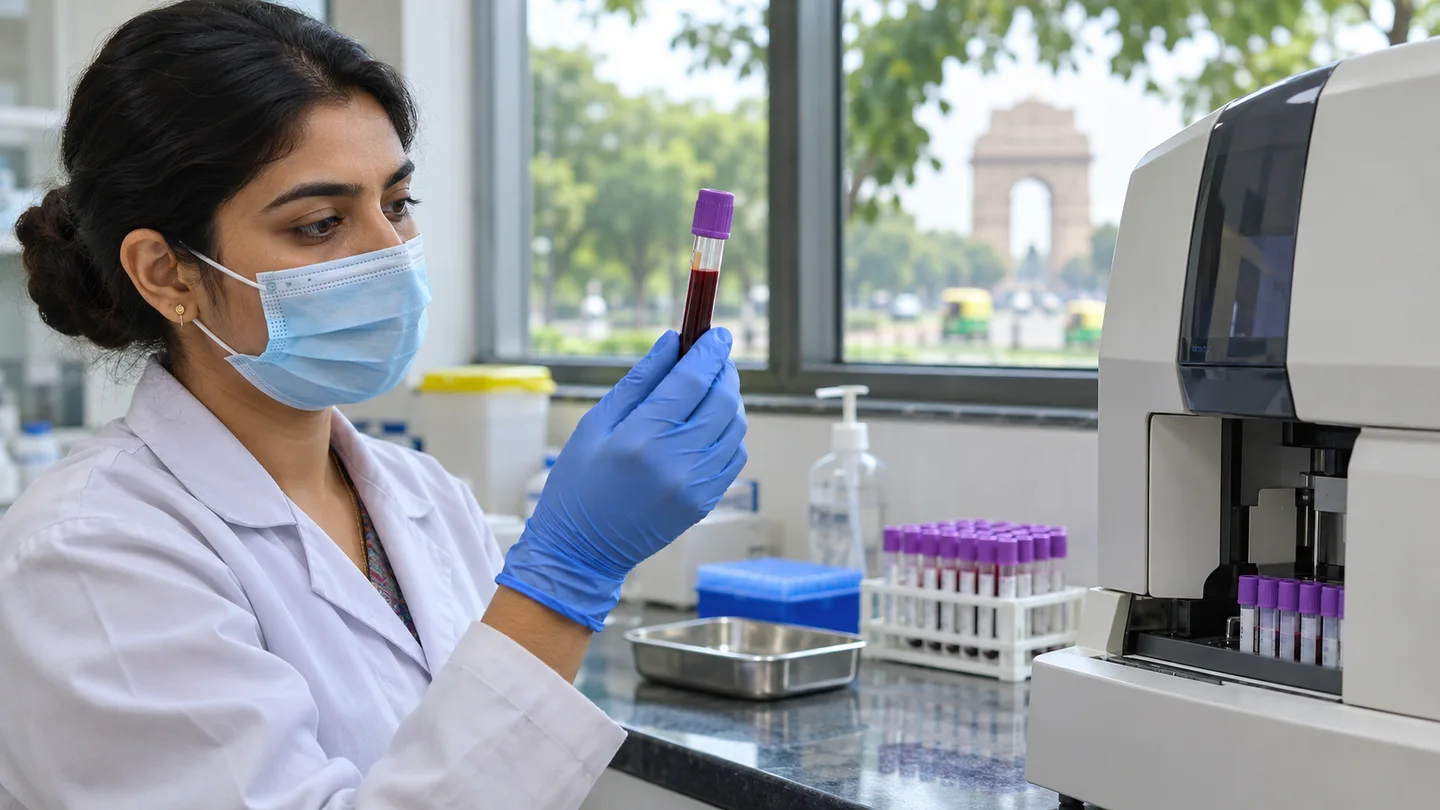
At OnePLUS Ultrasound Lab in Pitampura, Delhi, we offer diagnostic investigations to support dengue detection and monitoring. Your doctor can recommend appropriate tests based on your symptoms, the stage of illness and clinical condition. These tests are not necessarily required together.
| Available investigation | Role in dengue evaluation |
|---|---|
| Dengue NS1 Antigen (ELISA) | Early detection of dengue viral antigen; useful especially during the first week. |
| Dengue NS1 + IgM + IgG panel | Combines markers with different detection windows; individual components require careful interpretation. |
| Complete Blood Count (CBC) | Includes platelet count, white blood cell count and packed cell volume (haematocrit) for assessment and monitoring. |
| Liver / kidney function tests | May be recommended in selected patients to assess organ function and identify potential complications. |
Dengue marker tests and CBC generally do not require fasting when performed alone. If additional investigations are prescribed, please confirm the preparation requirements, sample collection details and expected reporting time with us before your visit.
Home sample collection for dengue tests
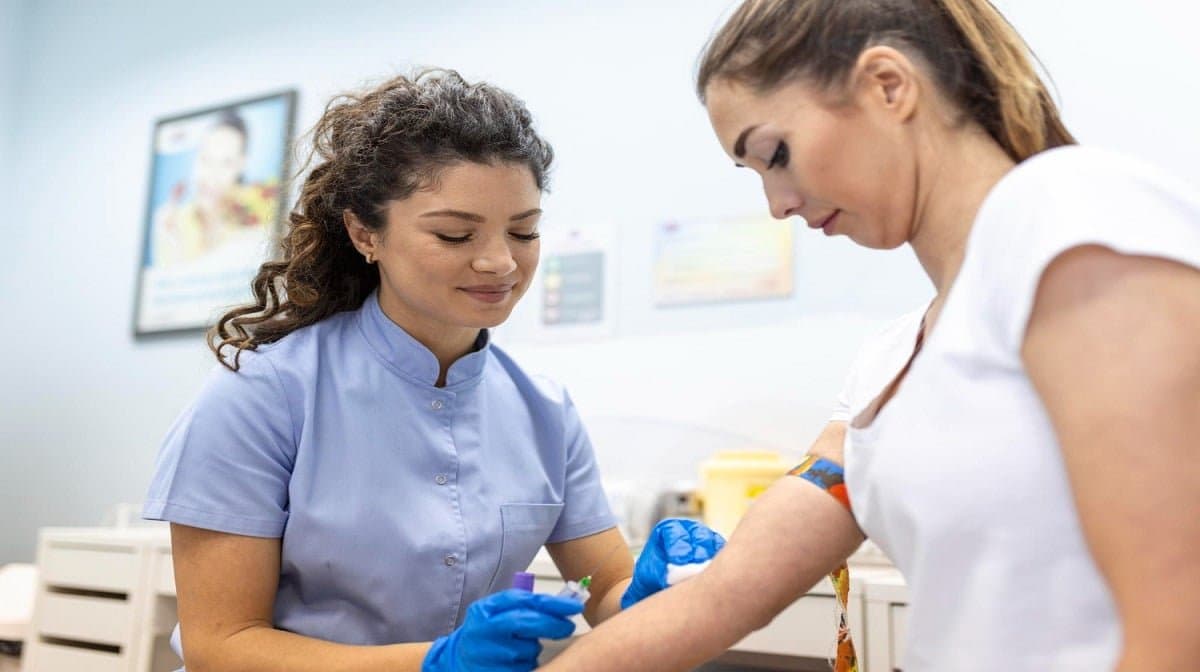
For patients in Pitampura, Rohini, Shalimar Bagh, Saraswati Vihar and nearby North Delhi areas, we also provide home sample collection for eligible blood tests.
Please contact us to confirm whether your prescribed dengue investigations are eligible for home collection, along with service availability, appointment timings and applicable charges.
Important: Home sample collection is suitable only for clinically stable patients and should not delay urgent medical evaluation if warning signs or severe symptoms develop.
Related diagnostic tests: Dengue NS1 Antigen (ELISA) | Dengue NS1 + IgM + IgG | Complete Blood Count (CBC)
For enquiries or home collection: +91 9599913051 | 011 4248 0101 | www.oneplusul.in
Frequently asked questions
Can dengue NS1 be positive while the platelet count is normal?
Yes. Dengue can be detected early while platelets remain within the laboratory reference range. A normal platelet count on one day does not exclude dengue or remove the need for follow-up when advised. [2, 5]
Is the NS1 test useful after five days of fever?
It may still be positive later in the first week, but the chance of detection changes over time. From around day 4–5, IgM may also become useful; after the first week, doctors generally rely more on antibody testing. [2, 3, 6]
Does a low platelet count confirm dengue?
No. Several infections and other conditions can lower platelet counts. Dengue diagnosis depends on the clinical picture and an appropriate virus-specific test. [2, 5]
Does everyone with dengue need daily platelet testing?
Not necessarily. Frequency depends on the person’s clinical status, day of illness, prior results and medical assessment. A clinician may advise frequent checks during the higher-risk phase. [4, 5]
Can I book a dengue blood test from home?
We offer a home sample collection for eligible blood tests. Please contact us to confirm whether your prescribed dengue investigations are eligible for home collection. If you experience any dengue warning signs, seek urgent hospital care rather than opting for home sample collection.
Conclusion
Dengue testing is most useful when matched to the timing of illness: NS1 antigen helps detect infection early, IgM becomes more informative later, and CBC provides valuable information for monitoring rather than diagnosis. Prompt recognition of warning signs, clinical follow-up and appropriate use of laboratory tests matter more than any one platelet count. [1–5]
References
[1] World Health Organization: Dengue – Fact sheet
[2] Centers for Disease Control and Prevention: Clinical Testing Guidance for Dengue
[3] Centers for Disease Control and Prevention: Serologic Tests for Dengue Virus
[4] Centers for Disease Control and Prevention: Clinical Care of Dengue
[5] Ministry of Health and Family Welfare, Government of India / National Center for Vector Borne Diseases Control: National Guidelines for Clinical Management of Dengue Fever
[6] Centers for Disease Control and Prevention: NS1 Antigen Tests for Dengue Virus